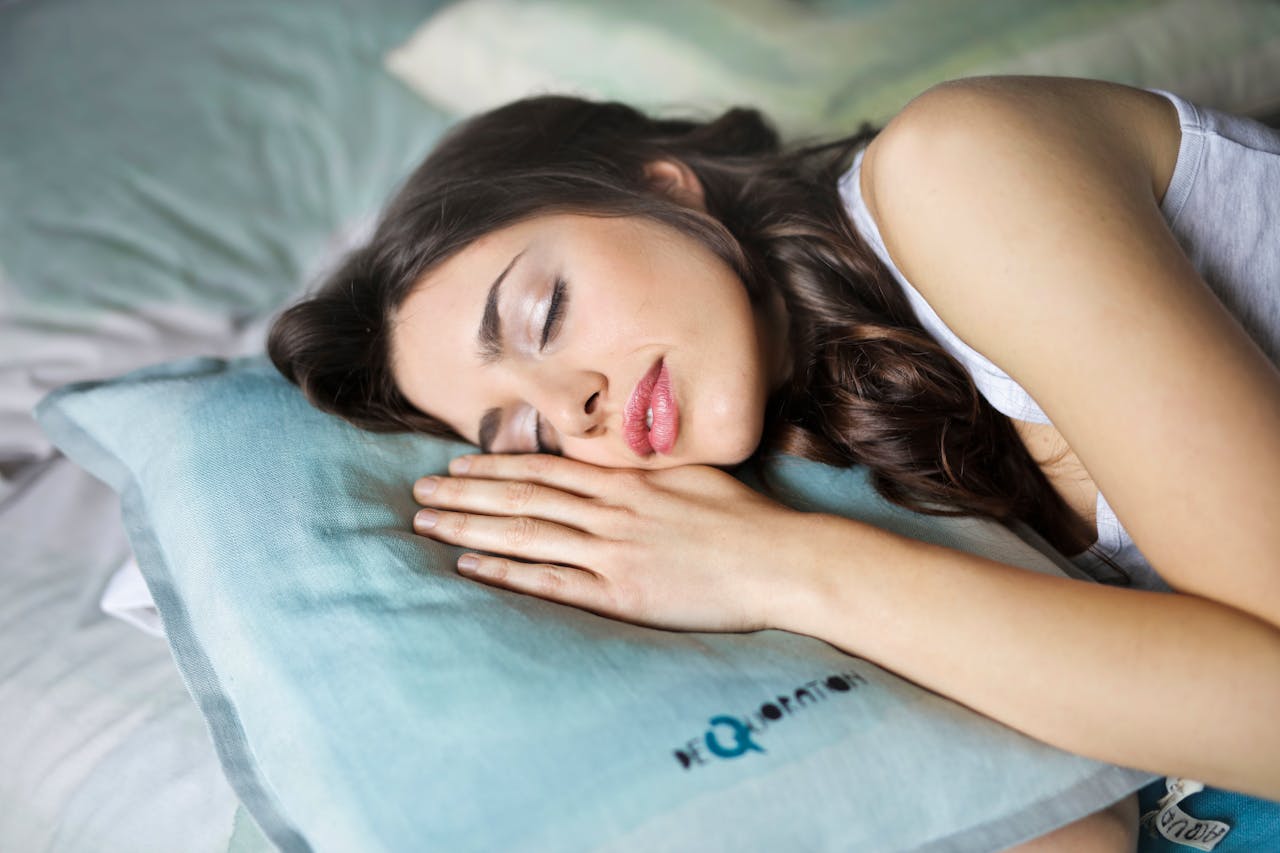
Sleep better. Live better.
On average, you’ll be asleep in about 15 minutes.
Sleep isn't just “doing nothing”, it's actually one of the most important things your body and brain do every day.
Sleep is a fundamental biological process that is essential for overall health and well-being. It is not merely a period of rest, it is a complex state of altered consciousness that plays a crucial role in physical, mental, and emotional health.
Think of sleep as your body's natural reset button. It plays a vital role in:
Basically, good sleep = better you.
Your sleep happens in cycles, usually around 90 minutes each (NREM + REM). The average adult experiences 4–6 cycles per night.
Sleep is divided into two main types:
It Comprises three stages, progressing from light sleep to deep sleep. It is crucial for physical restoration and growth.
This is when you dream. It also helps with learning and memory. Characterized by rapid eye movement, increased brain activity, and vivid dreaming. It is essential for cognitive functions and emotional health.
Waking up between cycles (instead of in the middle of one) makes it easier to feel refreshed.
Sleep needs vary by age and individual factors, but here's a quick guide:
Ever wake up groggy, even after a full night of sleep? That's probably because you woke up in the middle of a deep sleep stage. A sleep calculator helps you plan when to go to bed or wake up so you hit the sweet spot, at the end of a cycle. Typically after 90, 180, 270, or 360 minutes. That way, you feel more alert and less like a zombie.
Go to bed and wake up at the same time every day, even on weekends. Your body's internal clock (circadian rhythm) loves routine.
Turn off screens (phones, laptops, TVs) at least 30–60 minutes before bed. Blue light from screens messes with your brain's ability to produce melatonin, the hormone that makes you sleepy.
A calm mind = better sleep. Try relaxing activities before bed like reading a book, raking a warm shower, light stretching or meditation.
The ideal bedroom temperature for sleep is around 65°F / 18°C. Also, block out light with blackout curtains or an eye mask, and reduce noise if you can.
Coffee, tea, soda, and even chocolate can keep you wired. Try cutting off caffeine at least 6 hours before bedtime.
If you can’t fall asleep after 20–30 minutes, get up and do something quiet (like reading) in dim lighting. Only go back to bed when you’re sleepy. This helps your brain associate your bed with sleep, not stress.
Short naps (20–30 minutes) can boost energy and focus. But long or late-day naps can make it harder to fall asleep at night.
Try to avoid working, scrolling, or watching Netflix in bed. Your brain needs to link your bed with sleeping, not stimulation.
Alcohol might make you sleepy at first, but it messes with your sleep cycles later. Big meals right before bed can also cause discomfort and disturb your rest.
Welcome to Snooze Guide - your companion for better rest.
We created a sleep calculator with one goal in mind: to help you wake up feeling refreshed. Our sleep calculator uses the science of sleep cycles to suggest the best times to go to bed or wake up, based on your desired schedule. Whether you're planning a full night's rest or a quick nap, we help you time it right.
Sleep better. Live better.